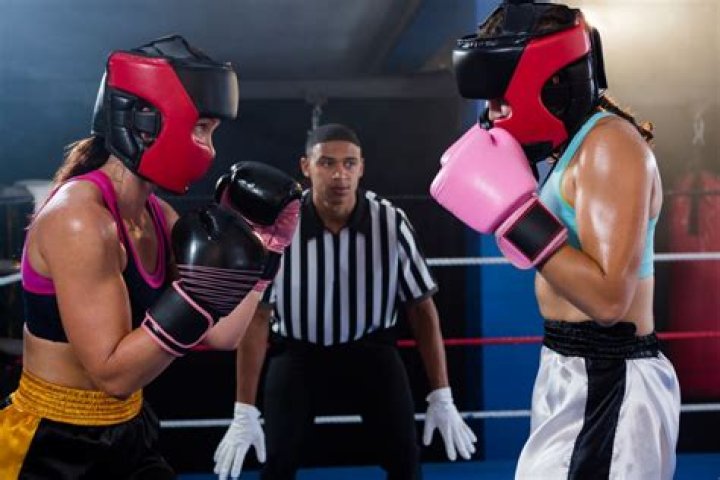
On the large slave plantations, the popular male sports were wrestling, boxing, racing, hunting, and fishing. The most popular recreations for women were dancing and singing. David Wiggins says the masters typically tolerated the slaves' pastimes as long as they were ready to work when called upon.
What did African slaves do for fun?
During their limited leisure hours, particularly on Sundays and holidays, slaves engaged in singing and dancing. Though slaves used a variety of musical instruments, they also engaged in the practice of "patting juba" or the clapping of hands in a highly complex and rhythmic fashion. A couple dancing.
Were slaves allowed to play sports?
Although slaves primarily participated in sports on their own time and own terms, occasionally the masters of the plantations would pit their strongest and most valiant slave against a slave from a neighboring plantation in boxing or wrestling matches.
What activities did slaves do?
Most slaves on small farms worked from sunrise to sunset. Men, women, and children worked in the tobacco fields since that was where their labor was needed most. Other work for women included helping with the cooking, laundry, gardening, and child-rearing.
Did slaves dance?
On board slave ships during the Middle Passage, enslaved Africans were frequently forced to dance. Once a day, some of them were brought up from the hold and encouraged to drum, sing, and dance. Slave captains believed that dancing enlivened the captives' spirits and reduced their sense of pain, suffering, and longing.
36 related questions foundHow did music help slaves?
Music was a way for slaves to express their feelings whether it was sorrow, joy, inspiration or hope. Songs were passed down from generation to generation throughout slavery. These songs were influenced by African and religious traditions and would later form the basis for what is known as “Negro Spirituals”. Col.
Why is it called a cake walk?
The cakewalk was a pre-Civil War dance originally performed by slaves on plantation grounds. The uniquely American dance was first known as the "prize walk"; the prize was an elaborately decorated cake. Hence, "prize walk" is the original source for the phrases "takes the cake" and "cakewalk."
What did slaves do to get punished?
Slaves were punished by whipping, shackling, hanging, beating, burning, mutilation, branding, rape, and imprisonment. Punishment was often meted out in response to disobedience or perceived infractions, but sometimes abuse was performed to re-assert the dominance of the master (or overseer) over the slave.
What did slaves call their master?
Enslaver versus Master, Owner, or Slaveholder
An enslaver exerted power over those they kept in bondage. They referred to themself as a master or owner - hierarchical language which reinforced a sense of natural authority.
What did slaves drink?
in which slaves obtained alcohol outside of the special occasions on which their masters allowed them to drink it. Some female house slaves were assigned to brew cider, beer, and/or brandy on their plantations.
Did slaves play marbles?
While marbles and Igba-ita were not the only games played by enslaved Africans, they are the most recognizable archaeologically. The archaeological evidence of Mancala can be ephemeral, but from historical accounts and its importance in African cultures, it too was likely a popular game among the enslaved.
How many black NBA players are there?
Currently, there are only six people of color with ownership across all three major U.S. sports — Major League Baseball (MLB), the National Basketball Association (NBA), and the National Football League (NFL).
How long did slaves usually live?
As a result of this high infant and childhood death rate, the average life expectancy of a slave at birth was just 21 or 22 years, compared to 40 to 43 years for antebellum whites. Compared to whites, relatively few slaves lived into old age.
What did slaves do in the winter time?
In his 1845 Narrative, Douglass wrote that slaves celebrated the winter holidays by engaging in activities such as "playing ball, wrestling, running foot-races, fiddling, dancing, and drinking whiskey" (p.
What did slaves fear more than punishment?
What did slaves fear more than physical punishment? Separation from their families.
What language did slaves speak?
In the English colonies Africans spoke an English-based Atlantic Creole, generally called plantation creole. Low Country Africans spoke an English-based creole that came to be called Gullah.
Why do we say enslaved?
The noun slave implies that she was, at her core, a slave. The adjective enslaved reveals that though in bondage, bondage was not her core existence. Furthermore, she was enslaved by the actions of another. Therefore, we use terms like enslaver, rather than master, to indicate one's effort to exert power over another.
What did slaves wear?
The majority of enslaved people probably wore plain unblackened sturdy leather shoes without buckles. Enslaved women also wore jackets or waistcoats that consisted of a short fitted bodice that closed in the front.
What did the slaves eat?
Weekly food rations -- usually corn meal, lard, some meat, molasses, peas, greens, and flour -- were distributed every Saturday. Vegetable patches or gardens, if permitted by the owner, supplied fresh produce to add to the rations. Morning meals were prepared and consumed at daybreak in the slaves' cabins.
What were slaves whipped with?
The whip that was used to do such damage to the slaves was called a “cat-of-nine tails”. It was a whip that was woven and flowed into nine separate pieces. Each piece had a knot in the middle, and broken glass, and nails at the very end.
What age did slaves start working?
Between the ages of seven and twelve, boys and girls were put to work in intensive field work. Older or physically handicapped slaves were put to work in cloth houses, spinning cotton, weaving cloth, and making clothes.
Is cakewalk really free?
Cakewalk is 100% free. Cakewalk is the next generation of SONAR. Your SONAR projects are fully compatible with Cakewalk. Regular updates delivering significant stability, performance enhancements, and new features, plus compatibility with future Windows updates.
Why is Cakewalk by BandLab free?
We are making the software completely free to use to ensure that anyone, regardless of their resources, technology or stage in their career, can have access to the highest level of professional music production tools.
What makes black black?
Black music exists not because of some innate biological traits that accompany skin pigmentation and somehow express themselves musically, but instead because of the material conditions that such pigmentation has been associated with in America over the centuries: slavery, segregation, and so forth.