How can I improve my ski skills?
10 Tips to Improve Your Skiing
- Get the right ski boots. It's natural to think that your skis are the most important piece of kit, but really all the magic happens in the boot. ...
- Layer properly. ...
- Wax your skis. ...
- Get ski fit before you go. ...
- Take it easy on day one. ...
- Keep your shoulders straight. ...
- Look ahead. ...
- Take a ski lesson.
What are important characteristics Someone needs to be successful alpine skier?
To meet the broad physical demands of their sport, alpine skiers train strength and core stability, power, aerobic and anaerobic endurance, coordination/motor skills, balance, and mobility, together with supplementary training, often involving cross-training in other sports (Reid, 2000; Hydren et al., 2013).
How do I become more confident in skiing?
How to Build Confidence Skiing
- Differentiate between comfortable slopes and ones you just 'get down' There are pistes and levels of difficulty that most skiers feel comfortable on. ...
- Do a harder run twice. ...
- Look for short hard sections. ...
- Take into account changing conditions. ...
- Choose the right ski partners.
How do you slow down when skiing?
The best way to slow down is to carve or “snow plow” long turns across the hill. That is, point your skis perpendicular to the base of the hill. (To slow yourself down even more, point the ski tips together in a snow plow or pizza-like stance.)
How do I stop being nervous when skiing?
Advice for Nervous Skiers – 9 Tips
- Practice in a snow-dome. ...
- Choose the right resort. ...
- Start your day right. ...
- Concentrate on the skiing sensations. ...
- Set a time limit on how much you ski each day. ...
- Set small achievable goals each day. ...
- Learn at your own pace. ...
- Find an instructor you are comfortable with.
How do I get rid of my fear of skiing?
11 Ways to Get Over Your Nerves on the Slopes
- Take a Lesson. The single best way to reduce ski anxiety is signing up for a professional lesson. ...
- Rent Your Gear. ...
- Go Slow. ...
- Beat the Crowds. ...
- Practice Falling. ...
- Go Back to the Basics. ...
- Breathe and Let Loose. ...
- Act Positive, Be Positive.
What are skiers workout?
Skiers are a plyometric exercise that strengthen your legs, glutes and core and increase your heart rate for major fat burning. The Skiers mimics ski moguls in the movement of the hips going from side to side. In this exercise your feet are together and your knees are bent.
How do pro skiers train?
One of the best ways to develop this strength is with dynamic leg exercises. Unlike isolation exercise which are great for targeting specific muscle groups, dynamic movements allow you to stimulate the entire body through movement. Some leg specific examples are jump squats, lunges, mountain climbers, and sprints.
Who is the most famous skier?
The number one position in the list of great skiers goes to Ingemar Stenmark, who is from Josejo in Sweden. Born in 1956, he grew up in Tanaby, which is close to the border of Norway. Stenmark began practicing skiing at a very young age, and by the time he was 8 he had already won his first national tournament.
How can I practice skiing at home?
How to Practice Skiing at Home: Get Better at Skiing Without a Slope and Off Season
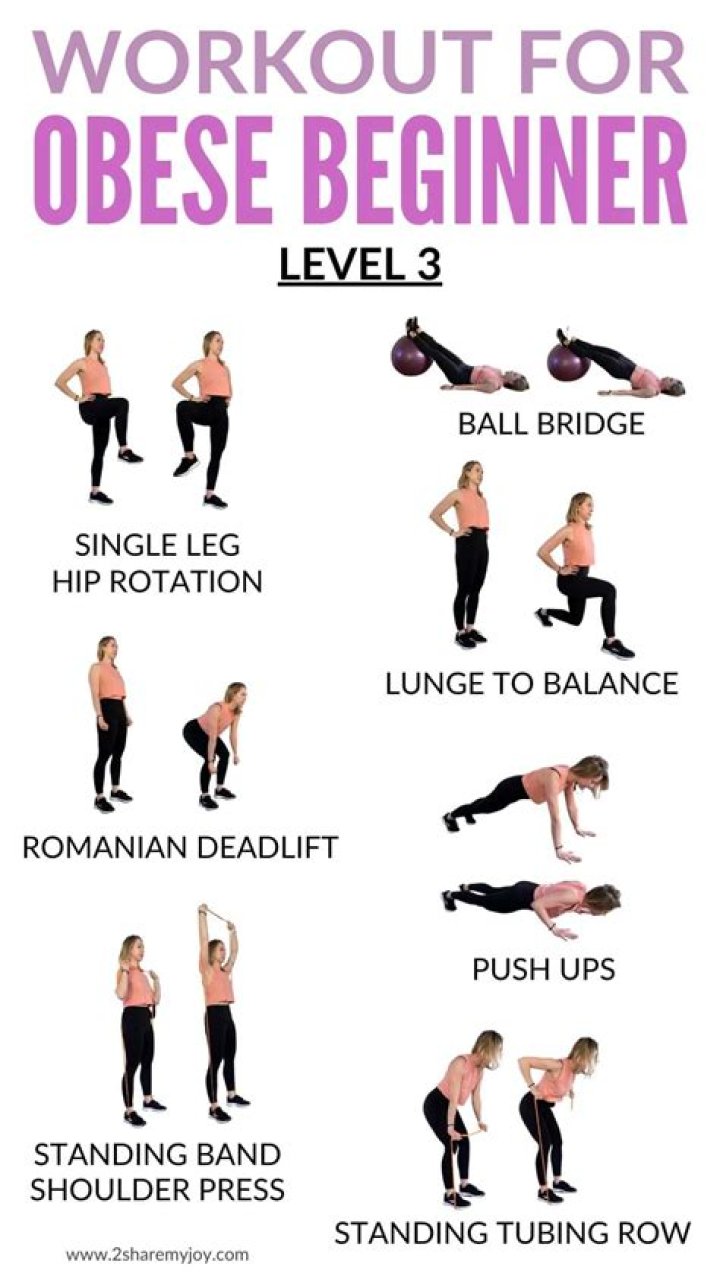
- Deadlifting.
- Box Jumps.
- Wall Sits.
- Squats and Jump Squats.
- Lunges and Jump Lunges.
- Build Oblique Muscles With Russian Twists.
- Lateral Hops With Tuck Hold.
- Stretching.
How can I practice skiing without snow?
Top 5 Methods To Practice Skiing Without Snow!
- Indoor Skiing.
- The Skiing Simulators.
- Forest Skiing.
- Sand Skiing.
- Grass Skiing.
How do I get my body ready for skiing?
Both cycling and using a stepper are good cardio workouts that also involve some of those ski muscles you are training, but if all you have time for is a little extra running, or even just walking, then that's fine as well. Aim for 20 minutes of brisk-paced cardio at least three times a week.
Is skiing hard?
With proper instruction, learning to ski is not difficult. You can start enjoying the mountain atmosphere, and the whole experience of skiing, just after your first day on the slopes.
Are squats good for skiing?
Squats are the quintessential exercise for skiing and snowboarding. They mimic the stance of skiing and snowboarding, thus using the same major muscles: the glutes and quads. Set feet between hip and shoulder width apart, and keep your toes pointed straight forward.
How do I condition myself for skiing?
The best workouts for skiing include running, the stair climber, the elliptical trainer, or any other activity that gets your heart rate up and works your entire body. 3 Your cardio workouts should vary intensities and last from 20 to 45 minutes each. You should perform one long, slow workout each week.
How do you get ski fit in 6 weeks?
Hello and welcome to the 6 week pre-season ski fitness programme designed to prepare you physically and mentally before you set off on your skiing adventures.
...
For example:
- Day 1 – TESTING.
- Day 2 – Strength.
- Day 3 – Core.
- Day 4 – Rest/Active recovery.
- Day 5 – Intro to Plyometrics.
- Day 6 -Strength.
- Day 7 –Rest/Active recovery.
How long does it take to learn to ski?
with modern ski equipment and good instruction an average adult can be skiing simple green terrain at the end of their first day. But, for those skills to take hold it'll be on the order of three to five days before they're really comfortable on skis.
Is skiing scary?
Skiing is an incredibly addictive sport and one that can be enjoyed by the whole family. Skiing for the first time can be a scary and daunting experience, but get it right and you'll soon fall in love.
How fast should you ski?
The skiing speeds of professional athletes can reach upwards of 150 mph, but most recreational skiers travel at speeds between 10 and 20 mph. Downhill racers clock out at 40–60 mph and Olympians tend to ski between 75 and 95 mph, depending on the conditions, their equipment, and their body composition.
Why do the balls of my feet hurt when I ski?
Similar to compressing the knuckle of your hands from the sides, the balls of our feet don't put up much resistance to being squashed. When you combine this with an abundance of nerves, muscles and blood vessels running in and around this area, it's no wonder that prolonged compression will lead to discomfort.