In adults, the most common cause of obstructive sleep apnea is excess weight and obesity, which is associated with the soft tissue of the mouth and throat. During sleep, when throat and tongue muscles are more relaxed, this soft tissue can cause the airway to become blocked.
Is it possible to cure sleep apnea?
CPAP and oral appliances work well, but they're not cures for sleep apnea. The only sure way to rid yourself of the condition for good is to either lose weight or have surgery to remove excess tissue from the palate or throat. Surgery can have side effects, which is why it's usually viewed as a last resort.
How do you develop sleep apnea?
Factors that increase the risk of this form of sleep apnea include:
- Excess weight. Obesity greatly increases the risk of sleep apnea. ...
- Neck circumference. People with thicker necks might have narrower airways.
- A narrowed airway. ...
- Being male. ...
- Being older. ...
- Family history. ...
- Use of alcohol, sedatives or tranquilizers. ...
- Smoking.
How do you fix sleep apnea now?
Treatment
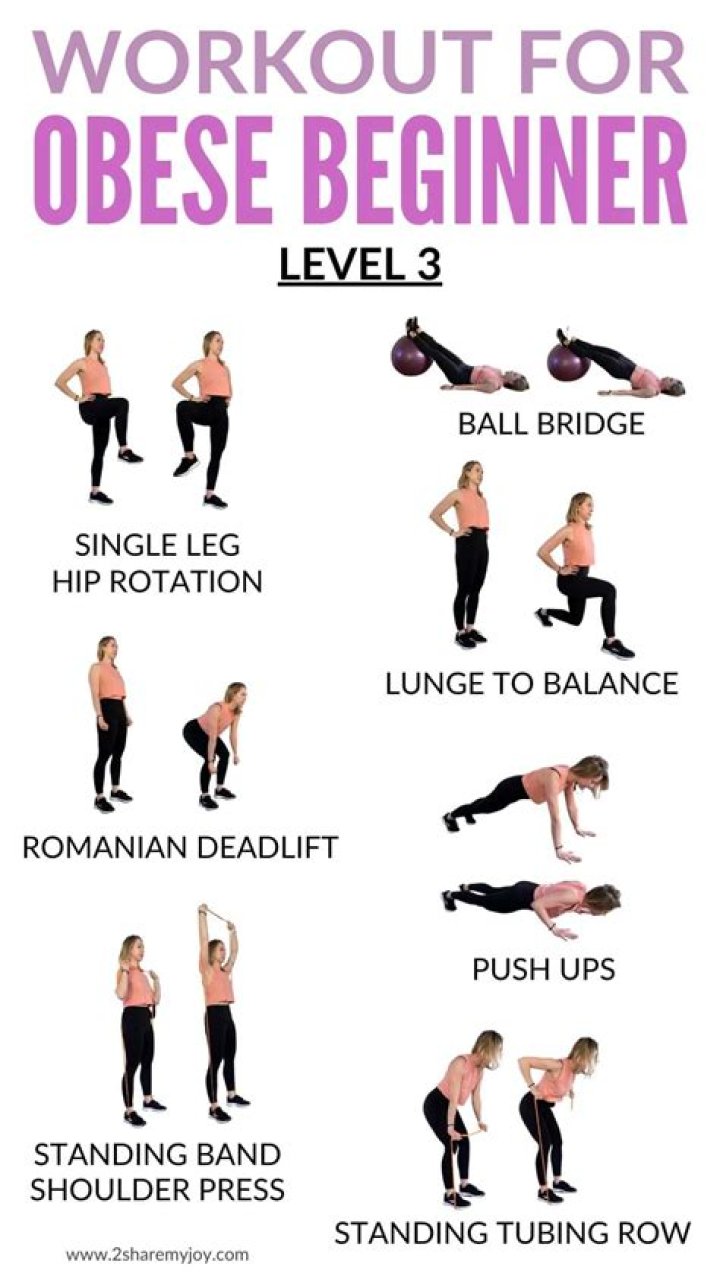
- Lose weight if you're overweight.
- Exercise regularly.
- Drink alcohol moderately, if at all. Don't drink in the hours before bedtime.
- Quit smoking.
- Use a nasal decongestant or allergy medications.
- Don't sleep on your back.
- Avoid taking sedative medications such as anti-anxiety drugs or sleeping pills.
What organ causes sleep apnea?
Instead of an obstruction causing breathing lapses, the problem arises in how the brain communicates with the muscles responsible for respiration. In particular, the brain stem fails to adequately perceive the levels of carbon dioxide in the body, leading to breathing that is slower and shallower than it should be.
26 related questions foundWhat are the 3 types of sleep apnea?
What are the types of sleep apnea? A person with sleep apnea stops breathing during sleep. There are three forms of sleep apnea: central, obstructive, and complex. The most common of these is obstructive sleep apnea (OSA).
Does sleep apnea happen every night?
Sleep apnea is a serious sleep disorder. People who have sleep apnea stop breathing for 10 to 30 seconds at a time while they are sleeping. These short stops in breathing can happen up to 400 times every night.
Can you live a long life with sleep apnea?
Risks of obstructive sleep apnea
Sleep apnea is dangerous because if untreated, it leads to high blood pressure and is associated with an increased chance of heart attack, abnormal heart rhythms and heart failure. Studies have shown that sleep apnea can decrease life expectancy by several years.
What stage of sleep does sleep apnea occur?
In sleep studies, it has been shown that OSA has been known to occur predominantly during the stage of sleep known as REM sleep, which is characterized by the motion your eyes make while dreaming, hence the name rapid eye movement. Most people usually enter REM sleep about 90 minutes after falling asleep.
What are the warning signs of sleep apnea?
Signs and symptoms of obstructive sleep apnea include:
- Excessive daytime sleepiness.
- Loud snoring.
- Observed episodes of stopped breathing during sleep.
- Abrupt awakenings accompanied by gasping or choking.
- Awakening with a dry mouth or sore throat.
- Morning headache.
- Difficulty concentrating during the day.
Does stress cause apnea?
Stress does not cause obstructive sleep apnea directly, but it can worsen your symptoms. “Stress can make some of the symptoms of sleep apnea worse.
Can a skinny person have sleep apnea?
The healthiest, skinniest person can still experience sleep apnea. A slender person may also be less likely to seek a diagnosis as they would not think sleep apnea is possible because of their weight.
What happens if sleep apnea is not treated?
If left untreated, sleep apnea can result in a number of health problems including hypertension, stroke, arrhythmias, cardiomyopathy (enlargement of the muscle tissue of the heart), heart failure, diabetes, obesity and heart attacks.
Does sleep apnea get worse with age?
Unfortunately, older adults are at higher risk of sleep apnea purely because of their age. While there is no cure or prevention for aging, there are ways for older adults to reduce their risk for sleep apnea, including: Maintaining a regular sleep schedule and avoiding too many naps.
How many years does sleep apnea Take off your life?
If left untreated, obstructive sleep apnea can shorten your life from anywhere between 12-15 years. While there is no permanent cure for obstructive sleep apnea, diagnosis and treatment will alleviate its effects. Proper treatment can ensure that your OSA won't shorten your life.
Can a blocked nose cause sleep apnea?
Nasal obstruction results in pathologic changes in airflow velocity and resistance. Experimentally produced nasal obstruction increases resistance and leads to sleep-disordered breathing events, including apnea, hypopnea, and snoring.
Can coffee cause sleep apnea?
One study showed that caffeinated soda use may be associated with more severe sleep-disordered breathing, such as OSA . But tea or coffee use didn't appear to be associated with more severe sleep-disordered breathing.
Do people with sleep apnea dream?
Even if you have obstructive sleep apnea, you'll likely still have at least some dreams. However, they may take on a more nightmarish quality. There are a few theories about why vivid nightmares are common for those with apnea. The first is that those with apnea are experiencing a lack of oxygen.
Can sleep apnea cause low oxygen levels during the day?
Gas exchange during sleep may be severely affected in certain patients, especially in those who are grossly obese or have chronic respiratory disorders, such as chronic obstructive pulmonary disease (COPD). Daytime hypoxemia has been reported to develop in patients with obstructive sleep apnea (OSA).
Can you suffocate from sleep apnea?
“Sleep apnea can directly cause death by a person's breathing being infrequent enough to create immediate tissue ischemia (tissue death from lack of oxygen) in the heart and/or brain, resulting in a fatal heart attack or stroke,” Jenna Liphart Rhoads, R.N., Ph.
Is sleep apnea a disability?
The Social Security Administration (SSA) no longer has a disability listing for sleep apnea, but it does have listings for breathing disorders, heart problems, and mental deficits. If you meet the criteria of one of the listings due to your sleep apnea, you would automatically qualify for disability benefits.
Which sleep apnea is worse?
Obstructive sleep apnea is classified by severity: Severe obstructive sleep apnea means that your AHI is greater than 30 (more than 30 episodes per hour) Moderate obstructive sleep apnea means that your AHI is between 15 and 30. Mild obstructive sleep apnea means that your AHI is between 5 and 15.
What are the chances of dying from sleep apnea?
About 19 percent of participants with severe sleep apnea died (12 deaths), compared with about four percent of participants with no sleep apnea (46 deaths).
What are the long term effects of sleep apnea?
As a result, if left untreated, people may experience “poor sleep quality and progressive brain damage, induced by obstructive sleep apnea” which could lead to “poor memory, emotional problems, decreased cognitive functioning and increased cardiovascular disturbances,” according to Seung Bong Hong, PhD, MD and lead ...
How does sleep apnea affect the heart?
It's estimated that patients with sleep apnea are 2-4 times more likely to develop heart arrhythmias (abnormal heart rhythms) than people without this condition. Sleep apnea increases the risk of heart failure by 140% and the risk of coronary heart disease by 30%.