Causes include poor diet, lack of exercise, and short or low-quality sleep. A healthy diet and active lifestyle can help people lose excess belly fat and lower the risk of problems associated with it.
How do you get rid of the lower belly pooch?
Getting rid of lower stomach fat
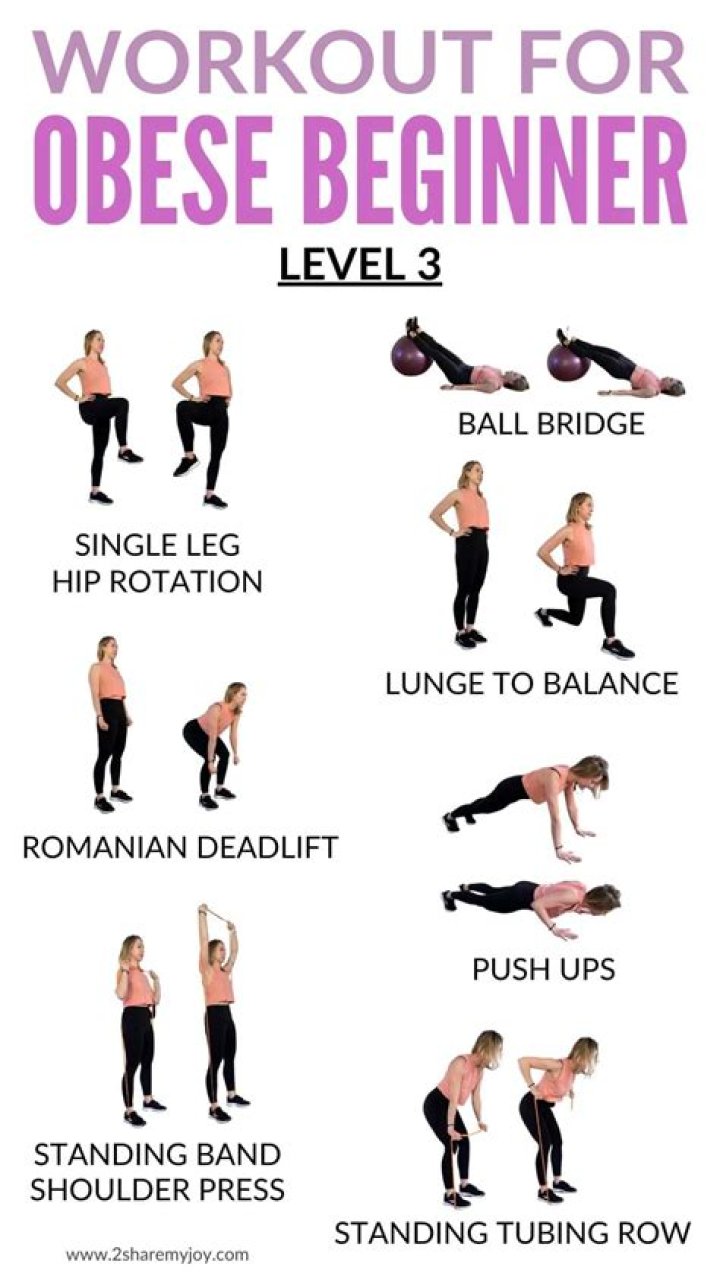
Exercises like cardio, yoga, and crunches may tone your muscles and strengthen your lower abs, but they won't “erase” fat deposits. The only way to lose fat on your lower stomach is to lose fat overall. A calorie deficit helps with this.
Why is my lower stomach Pooching out?
The most common causes are trapped gas or eating too much in a short time. The sensation of bloating can cause abdominal distention, which is a visible swelling or extension of your belly.
What foods cause lower belly pooch?
Fatty foods, such as butter, cheese, and fatty meats, are the biggest cause of belly fat. Eating high-fat foods is not helpful, but excess calories of any kind can increase your waistline and contribute to belly fat.
Why did I suddenly gain belly fat?
There are many reasons why people gain belly fat, including poor diet, lack of exercise, and stress. Improving nutrition, increasing activity, and making other lifestyle changes can all help. Belly fat refers to fat around the abdomen.
37 related questions foundWhat is a hormonal belly?
Sometimes, excess fat around the belly is due to hormones. Hormones help regulate many bodily functions, including metabolism, stress, hunger, and sex drive. If a person has a deficiency in certain hormones, it may result in weight gain around the abdomen, which is known as a hormonal belly.
Is it normal to have a belly pooch?
It is meant to be protective to a woman's reproductive organs such as her ovaries, fallopian tubes and uterus. “Overall, healthy women have belly pouches (yes, some women naturally have bodies without the belly fat and they can still be perfectly healthy).
What is the lower belly pooch called?
Pregnancy or significant weight fluctuations can create a pocket of skin and fat in the lower abdomen. This paunch is known as the panniculus, and its appearance can become more pronounced with age.
How can I get rid of my hormonal stomach?
Tips for How to “Reset” Your Hormones
- Eat Nutritious Meals. Making sure you get enough nutrients is key to leading a healthy lifestyle and can help keep your hormone levels from fluctuating. ...
- Engage in Regular Exercise. ...
- Take Steps to Reduce Stress. ...
- Thyroid Hormone Replacement Therapy. ...
- Body Shaping Procedures.
How do you know if your stomach is hormonal?
6 signs your hormones are making you gain weight and how to get rid of hormonal belly
- You feel less satiated after eating. ...
- You're always stressed. ...
- Your weight gain is only in your abdomen. ...
- You're craving sugar. ...
- You're hungry all the time. ...
- You're losing your hair.
Does hormonal belly go away?
Around menopause most women experience a frustrating accumulation of belly fat – but, you don't have to keep it! Science shows you can effectively lose hormonal belly fat (and keep it off) with a healthy lifestyle.
What is a stress belly?
Stress belly is not a medical condition, it is a sign of how stress and stress hormones are affecting your weight and especially belly fat. The high levels of cortisol, the primary stress hormone is associated with abdominal fat.
Will my tummy pooch go away?
The connective tissue between the abdominal muscles can thin and weaken, and that can lead to a bulge in your belly. That post-pregnancy bulge is commonly known as a "mommy pooch" or "mommy-tummy" and it will not go away with diet and exercise. DRA is not a cosmetic concern.
Does FUPA go away?
FUPA ias an acronym for “Fatty Upper Pubic Area”. While it can be frustrating to develop unwanted fat anywhere on the body, unsightly fat on the pubis mound above the vaginal area can be even more of a challenge. This is because it is virtually almost impossible to get rid of FUPA by simply dieting and exercising.
What are the symptoms of low estrogen?
Signs of low estrogen include:
- Dry skin.
- Tender breasts.
- Weak or brittle bones.
- Trouble concentrating.
- Moodiness and irritability.
- Vaginal dryness or atrophy.
- Hot flashes and night sweats.
- Irregular periods or no periods (amenorrhea).
Does low estrogen cause weight gain?
Sex hormones, such as estrogen, influence the amount of fat in the body. Estrogen regulates glucose and lipid metabolism. If your estrogen levels are low, it can result in weight gain. Research suggests that this may be why women approaching menopause are likely to become overweight.
How long does it take for mommy pooch to go away?
How long does it take to get rid of mommy pooch? It depends on how severe your separation is, but you may start to see noticeable improvements in your mommy pooch in as little as 6 weeks. Others might take 12+ weeks to see noticeable changes.
Is the bump at the bottom of my stomach my uterus?
The nutritionist and influencer made the claims on her Instagram account but people, including medical professionals disagreed. An Instagram influencer who made claims that the 'bump' at the bottom of a woman's stomach is their womb has been called out by an NHS doctor for being "medically inaccurate".
Does anxiety cause belly fat?
Prolonged stress can affect your mental and physical health. It can even lead to a little extra weight around the middle, and extra abdominal fat isn't good for you. Stress belly isn't a medical diagnosis. It's a way to describe how stress and stress hormones can affect your belly.
Does anxiety cause weight gain?
Increased cortisol levels, as the result of anxiety, cause fat to build up in the stomach and leads to an increase in weight. The longer that a person experiences stress and anxiety, the more weight he or she can potentially gain.
How do you know if your hormones are off?
Symptoms of Hormonal Imbalance
Symptoms that may suggest hormonal imbalance include bloating, fatigue, irritability, hair loss, palpitations, mood swings, problems with blood sugar, trouble concentrating, and infertility. These are just a few symptoms of hormone imbalance.
How do you know if you are perimenopausal?
If you have a persistent change of seven days or more in the length of your menstrual cycle, you may be in early perimenopause. If you have a space of 60 days or more between periods, you're likely in late perimenopause. Hot flashes and sleep problems. Hot flashes are common during perimenopause.
What is the average age for perimenopause?
Perimenopause can begin in some women in their 30s, but most often it starts in women ages 40 to 44. It is marked by changes in menstrual flow and in the length of the cycle. There may be sudden surges in estrogen. Late Stage.
What are five of the most common symptoms of perimenopause?
Women in perimenopause have at least some these symptoms:
- Hot flashes.
- Breast tenderness.
- Worse premenstrual syndrome.
- Lower sex drive.
- Fatigue.
- Irregular periods.
- Vaginal dryness; discomfort during sex.
- Urine leakage when coughing or sneezing.
What is a menopause baby?
The menopause baby
The woman may go for months or even a year between having one period and the next. This long time frame is what may lead to a menopause baby. During the time when the female body is not having a menstrual cycle, the body may still be releasing those last few eggs.