Fiber-Reinforced Polymer (FRP) composites offers five major benefits for any infrastructure project:
- Faster installation time.
- Lightweight material.
- Resistance to corrosion & very little maintenance.
- Cost savings.
- Design flexibility.
What advantages do fibre reinforced composites offer?
Fiber-reinforced polymer composite offers not only high strength to weight ratio, but also reveals exceptional properties such as high durability; stiffness; damping property; flexural strength; and resistance to corrosion, wear, impact, and fire.
Why is FRP used?
FRP offers a wide range of unique benefits — short production and installation time, light weight, long-term cost savings, corrosion resistance, and superior longevity.
What is a key advantage of Fibre reinforced polymer FRP materials?
Fiber reinforced polymer (FRP) composites are lightweight, high strength, corrosion-resistant materials. In fabric form, they offer unprecedented flexibility since fibers can be oriented to provide strength in any given direction.
What are two advantages of using Fibre reinforced polymers FRP in shipbuilding?
FRP is a better option than a few metals because of its versatility, ability to resist corrosion, its durability and a high strength to weight ratio. FRP composites have been used for the past few decades in minor quantities while building naval ships and equipment.
20 related questions foundWhat are the disadvantages of FRP?
One disadvantage of FRP materials is their relatively high cost compared to wood or unpainted low-carbon steel. Other disadvantages include: The need for different saw blades and drill bits than those used with wood or steel.
What are the disadvantages of GRP?
Disadvantages.
- They cost more. When you compare it to rubber materials, GRP costs more. ...
- They're not for large roofs. It's not always the best option for larger roof areas, and the expansion rates can be high.
- They're picky.
Is FRP stronger than steel?
It's also nonconductive and impact resistant. Pound for pound, our FRP structural members are stronger than many steels in the lengthwise direction, and weigh up to 75% less. Compared to steel, Bedford FRP offers these advantages: The strength of steel at 1/4 the weight.
Is FRP durable?
FRP is durable and corrosion resistant
Fiberglass Reinforced Plastic (FRP) products resist high impacts and scratches, and provide corrosion resistance in highly corrosive environments such as maritime environments, and oil and gas or chemical industries.
What is FRP and its properties?
Fiber-reinforced plastics (FRP), also known as fiber-reinforced polymers, are a category of composite plastics specifically using fiber materials to mechanically augment the elasticity and strength of the plastic.
Is FRP good?
1. It's one of the strongest and most durable materials in the world. 2. Unlike wood, it won't warp, rot or decay from exposure to moisture — or succumb to corrosion, insects, mold or mildew.
Is FRP sun resistant?
All standard Fiber-Tech gel coats for FRP panels are formulated to offer good UV & weather resistance, flexibility, and are resistant to most common chemicals.
Is FRP fire resistant?
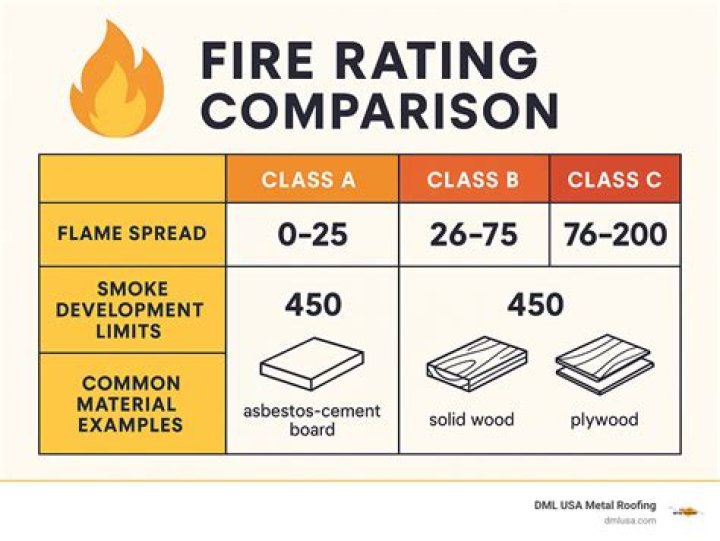
Fiber Reinforced Polymer (FRP) includes a system of both carbon fibers and the bonding epoxy. The carbon fibers themselves are great in fire as they will not lose strength, even while glowing red hot.
Can FRP be recycled?
FRP Waste is Recyclable
Solid waste generated in the FRP manufacturing process is a matrix of cured polymer resin and fibre reinforcement material. The chemical structure of the polymers used and the fibre& filler content of FRP scrap make Recycling more complex than typical thermoplastic recycling.
What is FRP in civil engineering?
Fiber reinforced polymer (FRP) composites or advanced composite materials are very attractive for use in civil engineering applications due to their high strength-to-weight and stiffness-to-weight ratios, corrosion resistance, light weight and potentially high durability.
What is the difference between fiber-reinforced and particle reinforced composite?
Particle reinforcing in composites is a less effective means of strengthening than fibre reinforcement. Particulate reinforced composites achieve gains in stiffness primarily, but also can achieve increases in strength and toughness.
How long does FRP last?
FRP Acid/Metal reaction tanks & pipes: 5-10 years or less, depending on situation.
Is FRP harmful?
FRP Fiberglass Reinforced Plastic Product Composition & Dust Hazards Identification. decomposition or burning may irritate eyes, nose, and throat. Minimize operator exposure to dust and fumes. Contact with dust may cause moderate skin irritation.
Is FRP stronger than plastic?
But why not plastic? FRP is stiffer and stronger. At high speeds, air and water impact and turbulence cause high stress and vibration on panels. FRP has a higher stiffness, strength and resistance to fatigue.
What is better than FRP?
One of the more popular options that should be considered alongside FRP is a process called Long Fiber Injection (LFI). LFI is a similar process to FRP, but it is highly automated and uses a polyurethane-based plastic instead of a polyester-based plastic.
Is FRP expensive?
FRP pricing is low but its high maintenance in the long run. Before you settle on what might be a good or bad price, do remember that it takes more than mere panels to renovate a wall. Seams and corners, rivets and sealants among other items are just as important as the panels.
What type of plastic is FRP?
Fiber-reinforced plastic (FRP) is a composite material made up of polymer that is supported with fibers for added strength. It is commonly used in industries such as aerospace, construction and marine to build structures that require added resistance to force in order to prevent deformation.
Is GRP cheap?
Affordable – GRP is cheap to design, manufacture and install, making it an affordable option to meet your needs. Long Lasting – As the material is very durable, it requires a lot less upkeep and is extremely low maintenance. GRP can last up to 40 years or more without any measurable deterioration.
Is GRP the same as fibreglass?
GRP is an abbreviated term for Glass Reinforced Plastic or Glass Reinforced Polymer. It is also often referred to as fibreglass (fiberglass in the US) or glass fibre composite and belongs to a family of products known as FRP or Fibre Reinforced Plastics.
What is the best advantage of composite?
Composites can be strong without being heavy. Composites have the highest strength-to-weight ratios in structures today. Composites resist damage from the weather and from harsh chemicals that can eat away at other materials. Composites are good choices where chemicals are handled or stored.