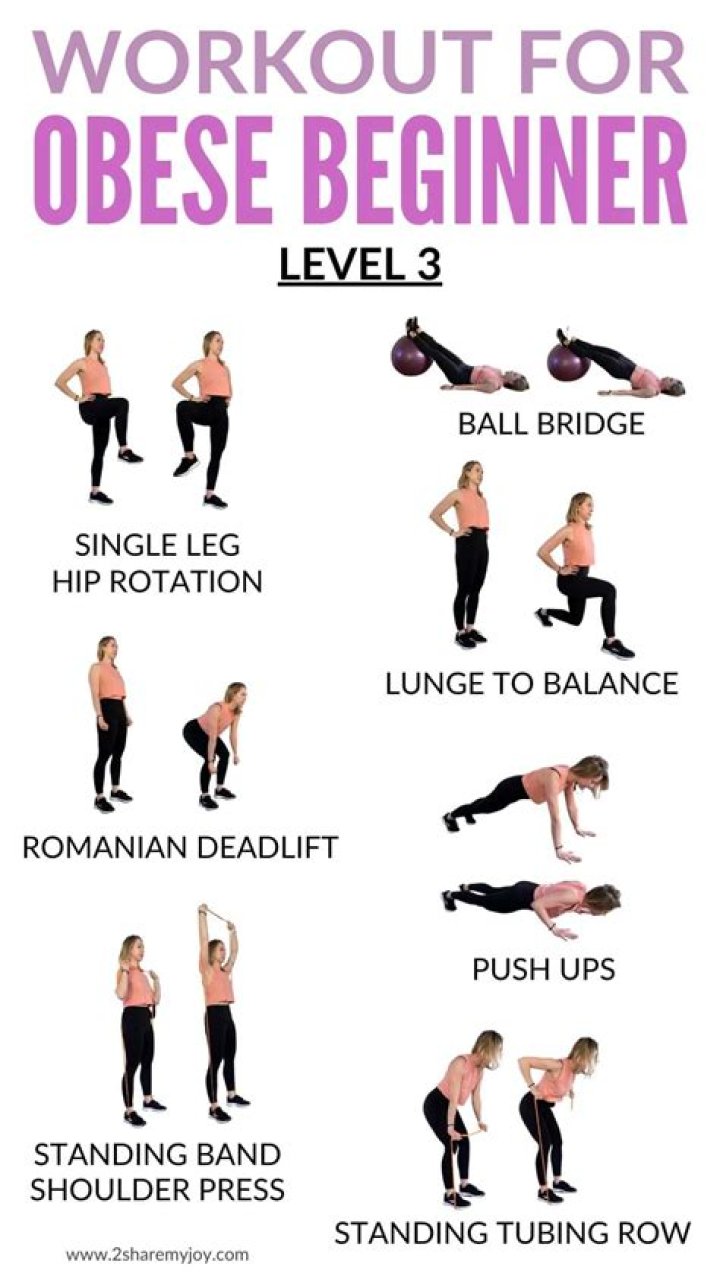
To meet the broad physical demands of their sport, alpine skiers train strength and core stability, power, aerobic and anaerobic endurance, coordination/motor skills, balance, and mobility, together with supplementary training, often involving cross-training in other sports (Reid, 2000; Hydren et al., 2013).
What makes someone a good skier?
“Good” skiers share two common traits: efficiency of movement and the ability to leverage options. The parallels between skiing and the Adult World are profound, with individuals who are skilled at efficiency and creating options often excelling in business, finance, relationships and of course in sports.
How do you get good at alpine skiing?
10 Tips to Improve Your Skiing
- Get the right ski boots. It's natural to think that your skis are the most important piece of kit, but really all the magic happens in the boot. ...
- Layer properly. ...
- Wax your skis. ...
- Get ski fit before you go. ...
- Take it easy on day one. ...
- Keep your shoulders straight. ...
- Look ahead. ...
- Take a ski lesson.
How do you qualify for Olympic alpine skiing?
To compete in downhill or super G an athlete must have a point total less than 80 disciplines. To compete in super combined an athlete must have a point average less than 160, but a point average of less than 80 in downhill.
What is the main goal in alpine skiing?
Speed Skiing — the objective is to ski downhill on a straight path as fast as possible. Skiboarding — like snow skiing, but with shorter and wider skis. Mogul Skiing — snow skiers compete on a specially designed downhill course, in which the primary focus is on the technique used for turns, aerial maneuvers, and speed.
22 related questions foundWhat equipment do you need for alpine skiing?
The gear you would need are skis, ski boots, goggles, a helmet and ski poles. Optional gear includes a ski bag, ski carrier, sunglasses and even walkie talkies in case of emergencies. For clothing, you will need ski gloves or mittens, base layer, sweater or a fleece jacket, ski jacket and pants.
What are the 3 main types of alpine skiing events?
The speed events are the downhill and comic-book sounding super-G; the technical events are the giant slalom and slalom, and combined is a mix of both.
What are the rules of skiing?
On the slopes, everyone needs to follow these rules:
- Know which slopes are right for your skill level and ski only on those. ...
- Don't ski alone.
- Stay on marked paths and never go past the ski area boundary or into a closed area.
- Pay attention to warning signs such as "Slow skiing area" or "Caution."
How many countries are competing in Alpine skiing?
A total of 114 medals – comprising 34 gold, 39 silver, and 41 bronze medals in the Olympics – takes Austria in the top of the list in downhill skiing. During the 2014 Winter Olympics, a total of 74 nations had been registered for downhill skiing competitions.
Where are the 2222 Olympics?
Having won the bid for the 2022 Olympic Winter Games on 31 July 2015, Beijing became the first city in the world to have hosted both the summer and winter editions of the Olympic Games.
How do I become an expert skier?
5 Tips to Become an Expert Skier
- Your most important and versatile piece of equipment is your pole. ...
- Upper/lower body separation. ...
- A dynamic short radius turn. ...
- Good biomechanics will promote good ski mechanics. ...
- The mental game.
How do I become more confident in skiing?
How to Build Confidence Skiing
- Differentiate between comfortable slopes and ones you just 'get down' There are pistes and levels of difficulty that most skiers feel comfortable on. ...
- Do a harder run twice. ...
- Look for short hard sections. ...
- Take into account changing conditions. ...
- Choose the right ski partners.
How good is an average skier?
The average downhill speed of skiers varies by type. The skiing speeds of professional athletes can reach upwards of 150 mph, but most recreational skiers travel at speeds between 10 and 20 mph.
Who invented alpine skiing?
Creators of Alpine Skiing
Modern downhill skiing is generally assumed to have emerged in the mid-19th Century, around 1850. Its development is attributed to Sondre Norheim, a Norwegian skier who first developed and popularized skis with curved sides that were more aerodynamic and fit for sharp turns.
Why is it called alpine skiing?
Enthusiasts were forced to adapt the equipment to make it more stable and forgiving on downhill slopes. They also experimented with new turns and pole usage to navigate the steeper slopes of the Alps. It was from these picturesque mountains that Alpine skiing derived its name.
How fast do alpine skiers go?
According to the official Olympics website, downhill skiers reach speeds of about 80 mph, although they can travel up to 100 mph depending on the course. However, they don't always maintain that speed throughout the run.
What are the rules about Alpine skiing?
As the name suggests, skiers have to ski down a predetermined slope, with minimal turns and maximum speeds to reach the finish line. Skiers can reach speeds of 130 km/h. The vertical drop of the slope in downhill should be between 800-1100m (for men) and 450-800m (for women).
Who is the most famous skier?
The number one position in the list of great skiers goes to Ingemar Stenmark, who is from Josejo in Sweden. Born in 1956, he grew up in Tanaby, which is close to the border of Norway. Stenmark began practicing skiing at a very young age, and by the time he was 8 he had already won his first national tournament.
How can I protect myself from skiing?
8 Tips to Help You Stay Safe on the Slopes
- Use the proper equipment for your activity. ...
- Always wear a helmet. ...
- Ski or board at your level and on the trails that are appropriate for you. ...
- Be prepared if you choose to go out of bounds or venture out in the backcountry| ...
- Wear the proper clothing. ...
- Wear goggles.
What are the 5 alpine skiing events?
At the Winter Olympics, five different disciplines fall in the alpine skiing category: Slalom, giant slalom, super-G, downhill and the combined. Among these five events, slalom and giant slalom are "technical" disciplines, while super-G and downhill are "speed" events.
What are the 5 types of alpine skis?
5 types of alpine skiing
- Downhill.
- Skis: The skis are long, but not as long as last year's, and narrow, but not as narrow as they used to be. ...
- Super G.
- Skis: Super-G skis are a little shorter and a little easier to turn. ...
- Giant slalom.
- Skis: Here is where the skis start to take shape and go shorter. ...
- Slalom.
What does super-G mean in skiing?
Definition of super G
: an Alpine skiing event combining elements of downhill and giant slalom.
What equipment is needed for biathlon?
Athletes need the following equipment to participate in biathlon: Cross country (XC) skate skis and poles. Roller-skis for summer training. Biathlon Rifle.