Many golf courses that manage annual bluegrass in northern climates use cover systems to avoid extensive and frequent turf losses across putting greens. Similarly, many courses in with bermudagrass greens use covers to insulate the warm-season grass from damaging cold temperatures.
Does frost damage golf greens?
When golfers tread across a frozen green, the compaction can cause bruising underfoot. The barriers between the cells break and the plant is killed from the inside. As the temperature then rises and the green thaws, the dead grass turns brown and wastes away. This damage can last well into the spring.
How do you keep your yard from chipping green?
- Choose a Location and Design. ...
- Outline the Green and Remove Sod. ...
- Dig and Prevent Weeds. ...
- Put the Cups in Place. ...
- Make the Base for Your DIY Putting Green. ...
- Pre-Shrink if Needed and Join Sections. ...
- Install and Cut the Synthetic Turf. ...
- Secure the Turf.
How do I keep my golf green?
have a smooth surface (by being regularly raked); contain firmed sand to aid a players foot grip and to prevent the ball from 'plugging' too far into the sand.
...
Quality
- provide a smooth putting surface;
- consist of a uniform, dense coverage of desirable grasses;
- be free of weeds and pests;
- be free draining; and.
- be firm.
How often should golf greens be cut?
Greens should be mown according to the rate of growth to a maximum of three times per week. Dew removal should be considered on non-mowing days as required to prevent disease spread. Tees and green surrounds should be mown according to the rate of growth to a maximum of once per week.
17 related questions foundWhen should you Verticut greens?
“The general rule of thumb is to verticut as often as recovery and improved turf health are noted,” he says. “I do it every 10 days in some areas of the course, but it might be wise to limit verticutting to two or three times a year in other areas.” Verticutting methods vary.
How often should you roll a golf green?
Roll every day and mow every other
Of all the mowing/rolling frequencies I have researched, this one results in the most consistent green speeds from day to day, very good wear tolerance compared with mowing alone, and better dollar spot control than mowing every day and rolling every other day.
What does top dressing do to greens?
Topdressing improves putting greens smoothness, increases firmness and dilutes thatch. Thatch is a layer of dead and living plant material just below the turf surface.
How do you fertilize golf greens?
If your soil test report recommends applying 1.5 pounds of nitrogen, 0.5 pound of phosphate, and 0.5 pound of potash per 1,000 square feet, you should apply a fertilizer with a ratio of 3-1-1 since you need three times as much nitrogen as phosphate and three times as much nitrogen as potash.
What type of grass is used on golf greens?
Grasses are specifically selected for use on putting greens.
Bermudagrass, creeping bentgrass and Poa annua are the most commonly managed turfgrasses on putting greens in the United States. A putting green can have more than 10,000 individual plants per square foot.
How do you make a golf green with real grass?
How to make your own backyard putting green in just 8 steps
- Select a Site. No surprise here. ...
- Start Digging. You don't need to go extremely deep. ...
- Add Some Contour. You're not trying to replicate the greens at Augusta. ...
- Install Proper Drainage. ...
- Cap it with Sand. ...
- Seed it or Sod It. ...
- The Final Touches. ...
- The Long Haul.
How do I make my grass look like a golf green?
There are four main factors that go into giving your lawn that lush, golf-course look.
- Mow your lawn properly. Often, people take shortcuts when it comes to mowing their lawn. ...
- Apply the right fertilizer (at the right times). ...
- Use the right amount of water (and consider irrigation). ...
- Stop the weeds dead in their tracks.
Is it OK to play golf on frozen greens?
Play is often delayed on courses during the winter due to frost on golf greens. The reason the club should not allow play on greens that are covered with frost is that the turf will be damaged from walking on the frost. The ice crystals in the frost can puncture the leaves from foot pressure.
Why do golf courses use winter greens?
Over the past few years we have extended our greens maintenance out in front of the green to incorporate the frost hole positions. This not only improves the playing surface for summer golf but also improves the condition and playability of the frost holes during the winter.
What are golf winter greens?
2. Winter greens. Nothing strikes more fear into a golfer's heart than hearing the dreaded words “winter greens”. An uneven surface, big divots and longer grass than normal for a green sums up my typical experience with winter greens.
How do you take care of greens?
Greens with poor drainage must be watered slowly, or at frequent intervals, to wet the soil 4 to 6 inches deep. On poorly drained greens, if water is applied at rates above 0.5 inch per hour, water runs off the green faster than it moves into the soil.
How often are golf greens watered?
How much (and when!) to water your lawn, according to a golf-course superintendent. About a third of an inch of water every two to three days is a good goal for your yard.
When should I feed my golf greens?
Golf course grass nutrition. Fertilisers: Grasses should be fed during the growing season to encourage natural growth but not to force or stimulate unnecessary growth especially early in the year.
Why do you put sand on greens?
Aeration comes in when soils are heavily compacted or the turf is thick with thatch. The greens get punched and sanded, and the sand is worked into each aeration hole to improve air and water flow, giving the roots a better chance to drink and breathe. There is, of course, plenty more to the science of sanding.
What does sand do for golf greens?
Sand helps cushion leaf tips and crowns and reduces algae. Increased Firmness – Turf produces organic matter in the upper rootzone that creates soft, spongy playing conditions. Regular sand topdressing, along with core aeration, improves surface firmness and resiliency.
When Should I aerate my golf greens?
The range of ideal weather varies depending on the desired turf species. In other words, if your course is promoting bentgrass, mid-August to early September is a good time to aerate. The warm days and cool nights of early fall favor bentgrass growth, placing the competitive advantage on bentgrass over Poa annua.
How short is the grass on a putting green?
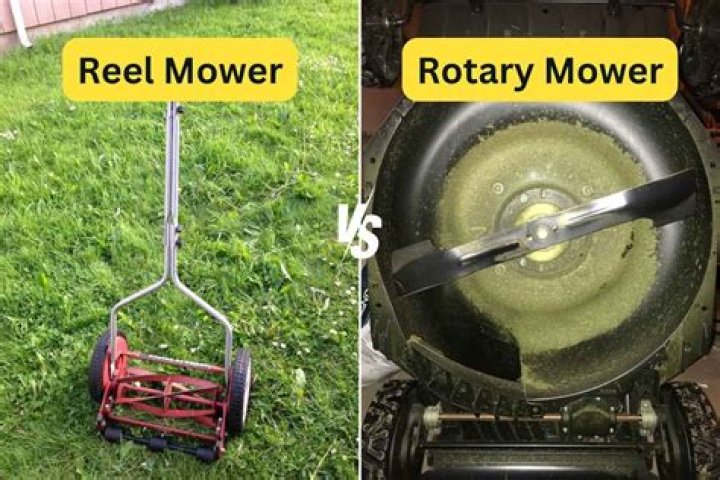
There is much more to just building a putting green, planting grass and purchasing a reel mower. Today's putting greens typically are maintained at or below a 0.125-inch height of cut – i.e., one eighth of an inch.
Do greens rollers affect turf compaction?
“The indirect effect of frequent rolling is air capacity and water permeability ... compaction. Rolling every day with a heavy roller will compact the greens, making them more susceptible to a decline in turf quality, especially during the stressful months of summer.
How do I get rid of algae on my golf greens?
For Mosses and Algae. Hydrated lime: Apply 2 to 3 pounds of hydrated lime in 3 gallons of water per 1,000 square feet. Ferrous sulfate: Apply 4 to 7 ounces or 10 ounces of ferrous ammonium sulfate in 3 to 5 gallons of water per 1,000 square feet.