Most people with myositis respond to a combination of steroid and immunosuppressive therapy, alongside carefully controlled exercise. Steroids are often needed, in very low doses for several years, as well as medicines to suppress the immune system.
Does myositis ever go away?
Like other rheumatic diseases, myositis is unlikely to go away on its own. But with proper treatment and management these chronic diseases can be brought under control. At present there is no cure for myositis. A person with myositis will need to manage the condition and to adjust to the changes it brings.
How can I treat myositis naturally?
Omega-3s. These are important as they may reduce inflammation. Good sources include fatty fish (salmon, mackerel, anchovies, sardines, and herring), avocados, ground flaxseed, chia seeds, hemp hearts, walnuts, pecans, canola oil, walnut oil, and flaxseed oil.
How can I reverse myositis?
As of now, there is no cure for myositis. However, management of the disease is critical in order to reduce inflammation caused by myositis and to prevent muscle weakness from progressing. Further, your doctor will recommend lifestyle changes so you can restore your strength.
What is the best treatment for myositis?
The first choice of treatment of myositis is steroids, which are usually given in high doses to begin with. Steroids can be given as tablets or injections. They should reduce the inflammation quickly, settle muscle pain and the feeling of being unwell.
21 related questions foundWhat triggers myositis?
Viral infections are the most common infections causing myositis. Rarely, bacteria, fungi, or other organisms can cause myositis as well. Viruses or bacteria may invade muscle tissue directly, or release substances that damage muscle fibers.
Can you live a long life with myositis?
While sporadic inclusion body myositis is a progressive disease, life expectancy for those with sIBM is usually the same as for those without the disease. In fact, IBM patients usually don't die from the disease, but from complications (often preventable) that are associated with it.
What foods should I avoid with myositis?
It includes the following:
- Avoid processed and fast foods, including those with high fructose corn syrup, artificial ingredients, preservatives, and pesticides. ...
- Reduce the number of foods made with wheat flour and sugar, especially bread, pasta, and most packaged snack foods.
Does exercise help myositis?
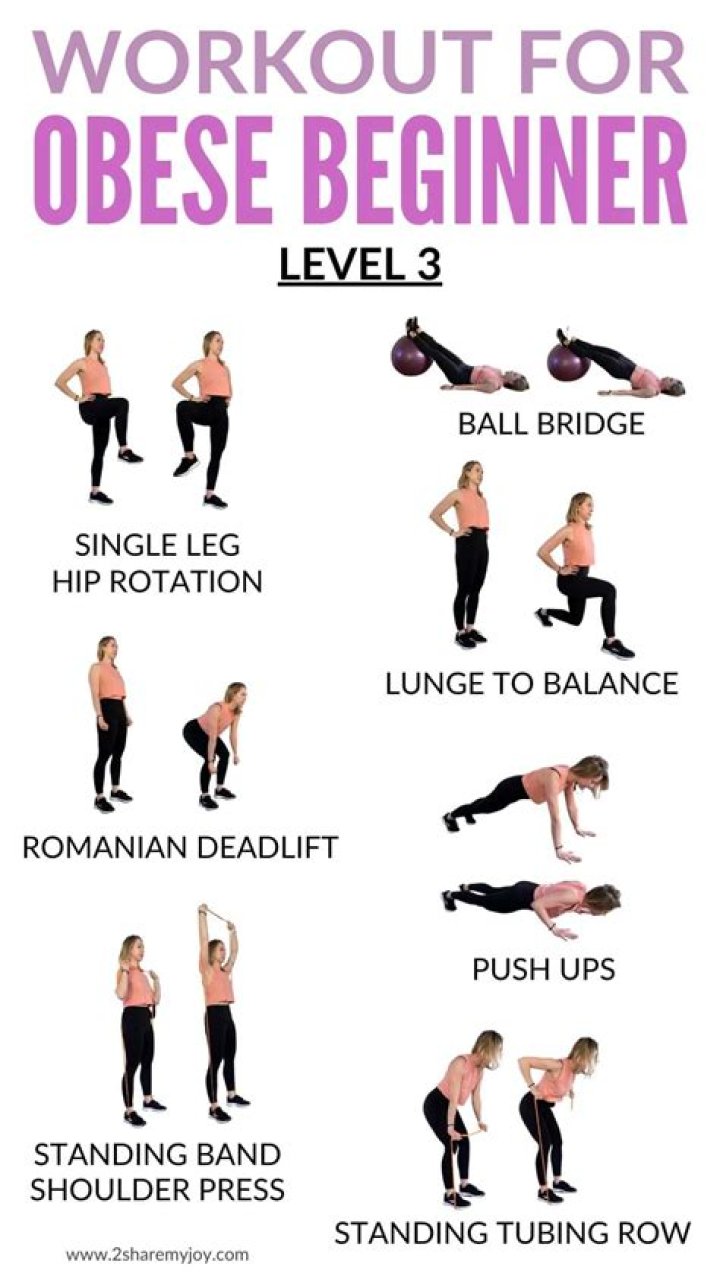
Physical exercise has been shown to reduce inflammation, reduce fatigue, increase stamina, and build muscle, even in patients with myositis. Indeed, exercise is currently the only treatment recommendation for patients with inclusion body myositis.
How do you get rid of muscle inflammation?
Rest and elevate the painful area. Alternate between ice packs to reduce inflammation and heat to improve blood flow. Soak in a warm bath with Epsom salts or take a warm shower. Take over-the-counter pain relievers (aspirin, acetaminophen, ibuprofen, naproxen).
Can myositis go into remission?
Some patients experience complete remission while others experience partial remission.
Can you rebuild muscle with myositis?
While it is questionable whether muscle can actually regenerate after it has been damaged by myositis, you can maintain and strengthen the muscle you have. You also may be able to prevent further loss of muscle tissue.
Can massage Help myositis?
As part of DeAugustinis's myositis management, he does physical therapy and also finds some relief from massage and acupuncture.
Does rituximab help with myositis?
In patients with myositis resistant to conventional treatment, rituximab (RTX) is a potential treatment option. RTX is a chimeric monoclonal antibody binding the CD20 antigen expressed on the surface of B lymphocytes at most stages of their development, but not on pro-B cells, early pre-B cells and plasma cells.
Does myositis affect the brain?
Myositis can cause “brain fog” making concentration, organization, and other related tasks difficult. Myositis causes a variety of symptoms and affects each person differently.
How quickly does myositis progress?
Patients diagnosed with IBM progress to disability usually over a period of years. The older the age of onset is, the faster the loss of strength and mobility. By 15 years, most patients require assistance with basic daily routines, and some become wheelchair- bound or bedridden.
What kind of doctor treats myositis?
Many new patients have difficulty finding health care practitioners who know about myositis. Patients with dermatomyositis, polymyositis, or necrotizing myopathy are usually treated by rheumatologists. Those with dermatomyositis may also work with a dermatologist. Those with IBM are often treated by neurologists.
Is myositis a disability?
What can be done? With an average time of five years to diagnosis, the rare muscle disease can be hard to recognise. Muscle deterioration is a hallmark of myositis.
How long does myositis last?
In some cases, myositis is a short-term problem that goes away after a few days or weeks. In other cases, it is part of a chronic (long-term) condition. Chronic forms of myositis can lead to muscle atrophy (wasting and shrinking) and severe disability.
What are the first signs of myositis?
Early symptoms in patients with myositis include:
- Difficulty standing up from a seated position.
- Difficulty climbing stairs.
- Difficulty lifting the arms.
- Fatigue after standing or walking a long time.
- Trouble swallowing or breathing.
- Muscle pain that does not subside within a few weeks.
Is there a blood test for myositis?
After a careful history and physical exam to document the pattern of weakness in muscles, a doctor who suspects myositis likely will order a blood test to check the level of creatine kinase (CK), an enzyme that leaks out of muscle fibers when the fibers are being damaged. In PM, the CK level is usually very high.
Does prednisone help myositis?
Prednisone, a corticosteroid, is usually the first line of treatment for Myositis. Other medications that help reduce inflammation and suppress the immune system are usually added while decreasing prednisone. Prednisone is usually a fast acting treatment that we call a “wonder drug” but has many side-effects.
Does stress cause myositis?
For those of us with chronic autoimmune diseases, such as the idiopathic inflammatory myopathies, generally referred to as myositis, stress can be even more damaging. It has been shown that stress can diminish our immune system, cause disease, and increase inflammation.
Does creatine help myositis?
Conclusion. Oral creatine supplements combined with home exercises improve functional performance without signif- icant adverse effects in patients with polymyositis or dermatomyositis. They appear safe, effective, and inexpensive.
What is the difference between myositis and fibromyalgia?
Muscle inflammation (myositis) or muscle disease due to metabolic abnormalities (metabolic myopathy) – These conditions cause muscle fatigue and weakness, but not the widespread pain seen in fibromyalgia. In addition, patients with myositis typically have abnormal levels of muscle enzymes.