Nonsurgical Treatment
Does mild hip dysplasia need treatment?
Treatments for Hip Dysplasia
A mild hip dysplasia may not require any treatment, but may need to be monitored as the child grows. In such cases, complications may never arise or they may arise only once the child becomes an adolescent or young adult.
How do you fix mild hip dysplasia?
Hip dysplasia treatment depends on the age of the affected person and the extent of the hip damage. Infants are usually treated with a soft brace, such as a Pavlik harness, that holds the ball portion of the joint firmly in its socket for several months. This helps the socket mold to the shape of the ball.
Is surgery necessary for hip dysplasia?
When hip dysplasia is diagnosed in adults, surgery may be required to prevent further damage to the hip joint. If an adequate amount of cartilage still exists between the ball and socket, realignment surgery on the existing joint often is recommended to fix the problem.
Can hip dysplasia be fixed without surgery?
Your doctor may recommend nonsurgical treatment if your child has mild hip dysplasia and no damage to the labrum or articular cartilage. Nonsurgical treatment may also be tried initially for patients who have such extensive joint damage that the only surgical option would be a total hip replacement.
36 related questions foundCan mild hip dysplasia get worse?
It is important to realize that hip dysplasia is usually a progressive condition that worsens with time. As the disease progresses, hip pain and activity limitations worsen. For this reason, early diagnosis and consideration of different treatment options is important.
What happens if mild hip dysplasia is left untreated?
If hip dysplasia is not treated, it can cause painful long-term problems, including: Hip labral tear: Damage to the cartilage that lines the socket of the hip joint. Osteoarthritis: Cartilage damage that causes hip pain and stiffness. Dislocated joint: Bones slide out of place in the joint.
Does hip dysplasia require hip replacement?
In many cases, this condition is present at birth. Some people may not be diagnosed during childhood, however, and only when symptoms appear later is the problem identified. Although some adults with hip dysplasia need surgery to correct the problem, total hip replacement isn't always necessary.
Is hip dysplasia considered a disability?
Hip dysplasia is a treatable developmental disorder that presents early in life but if neglected can lead to chronic disability due to pain, decreased function, and early osteoarthritis.
How successful is hip dysplasia surgery?
The procedure is performed in a hospital and involves cutting bones and fixing the hip socket in the correct position. The results from this procedure are good or excellent in 90% of patients for up to 10 years.
What is mild hip dysplasia?
Hip dysplasia is the medical term for a hip socket that doesn't fully cover the ball portion of the upper thighbone. This allows the hip joint to become partially or completely dislocated. Most people with hip dysplasia are born with the condition.
Can hip dysplasia go away on its own?
After hip dysplasia goes away on its own or is treated, most children grow normally. But if the dysplasia remains and isn't treated, long-term joint problems can result. So to be sure there are no lingering problems, your child will likely need to see the doctor regularly for monitoring.
What to avoid if you have hip dysplasia?
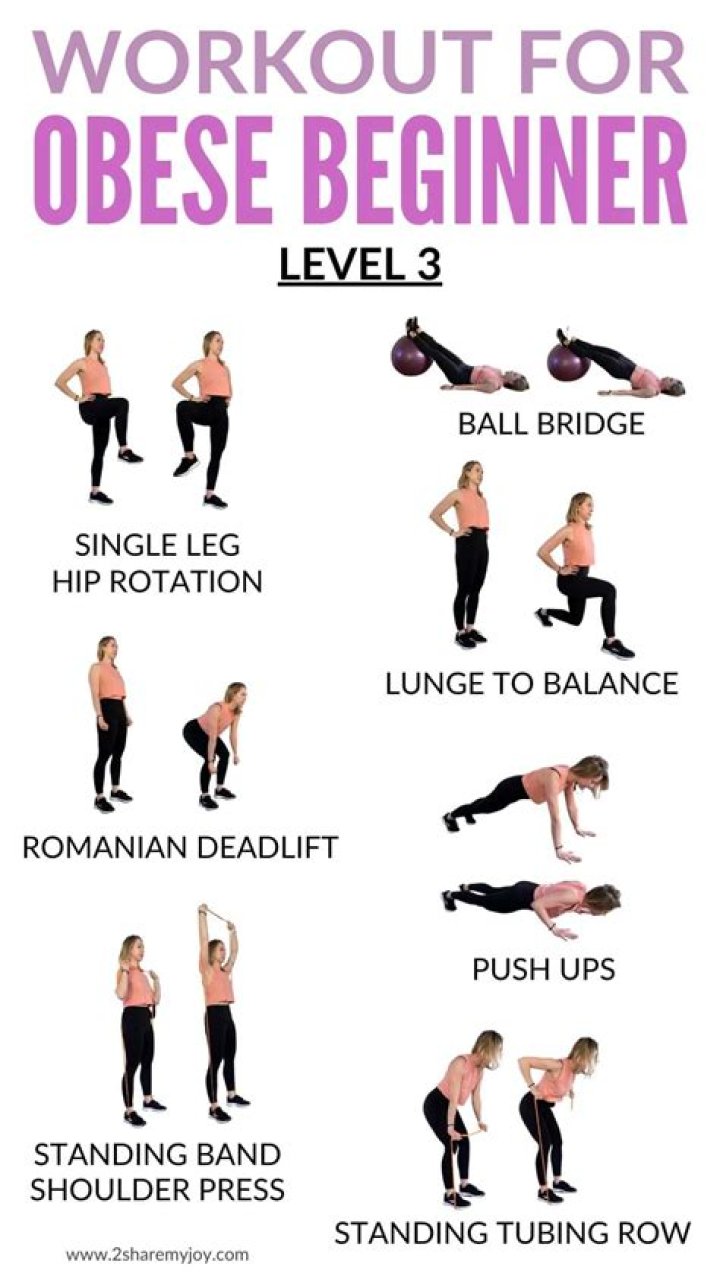
Running, stair climbing, and impact sports are not recommended for people with hip dysplasia. Moderate exercise and strengthening is preferred to maintain muscle balance long as there isn't too much load put on the hip joint.
At what age is hip dysplasia diagnosed?
It is the preferred way to diagnose hip dysplasia in babies up to 6 months of age. X-ray: After a child is 6 months old and bone starts to form on the head of the femur, x-rays are more reliable than ultrasounds.
Is hip dysplasia permanent?
Developmental dysplasia of the hip, sometimes termed congenital dysplasia or dislocation of the hip, is a chronic condition present from early childhood which can cause permanent disability if not identified and treated early.
How painful is hip dysplasia?
It could start out mild and happen occasionally, and over time become more intense and frequent. Half of patients with hip dysplasia also have pain at night. The pain can cause a mild limp. You might also develop a limp if you have weak muscles, a bone deformity, or limited flexibility in the hip joint.
Can you live with hip dysplasia?
Doctors screen every baby for symptoms of hip dysplasia. When it's caught early, it can be treated with braces, casts and sometimes surgery. But some forms of the condition can develop later in life.
Can hip dysplasia return?
Unfortunately, hip dysplasia can reappear even though the hips seemed normal at the end of initial treatment. The reasons for this are unknown, but this is a reason why some doctors insist on prolonged bracing even when the x-ray or ultrasound seems normal.
Is Pao surgery painful?
Pain often increases over time, and it is not uncommon to experience a sensation of catching or popping in the hip joint. You may even develop a slight limp, and strenuous activities may become more difficult for you.
Is hip dysplasia a birth defect?
Developmental dysplasia of the hip (DDH) is a condition where the "ball and socket" joint of the hip does not properly form in babies and young children. It's sometimes called congenital dislocation of the hip, or hip dysplasia. The hip joint attaches the thigh bone (femur) to the pelvis.
Can a baby crawl with hip dysplasia?
Your baby's developing hips will eventually make it possible for her to crawl, walk, climb, run and even dance.
What are the signs of dysplasia?
Hip Dysplasia Symptoms
- Pain in the groin that increases with activity.
- Limping.
- A catching, snapping or popping sensation.
- Loss of range of motion in the hip.
- Difficulty sleeping on the hip.
What is borderline hip dysplasia?
Hip dysplasia is a medical condition where the acetabulum (hip socket) does not fully cover the ball-like head at the top of the femur (thighbone). Most people who have hip dysplasia are born with it. Borderline hip dysplasia is a mild form of hip dysplasia that is typically found in young adults.
What is Pao surgery?
A periacetabular osteotomy (PAO) is the main surgical treatment for adolescents and adults with hip dysplasia who experience pain and are limited in their daily function.
Is Pao surgery successful?
Conclusion: The 10- and 20-year survivorship of the native hip after PAO is approximately 86% and 60%, respectively, in our cohort of 302 hips. Older age at the time of PAO and higher Tönnis grade are negative prognostic factors for joint survival after PAO.