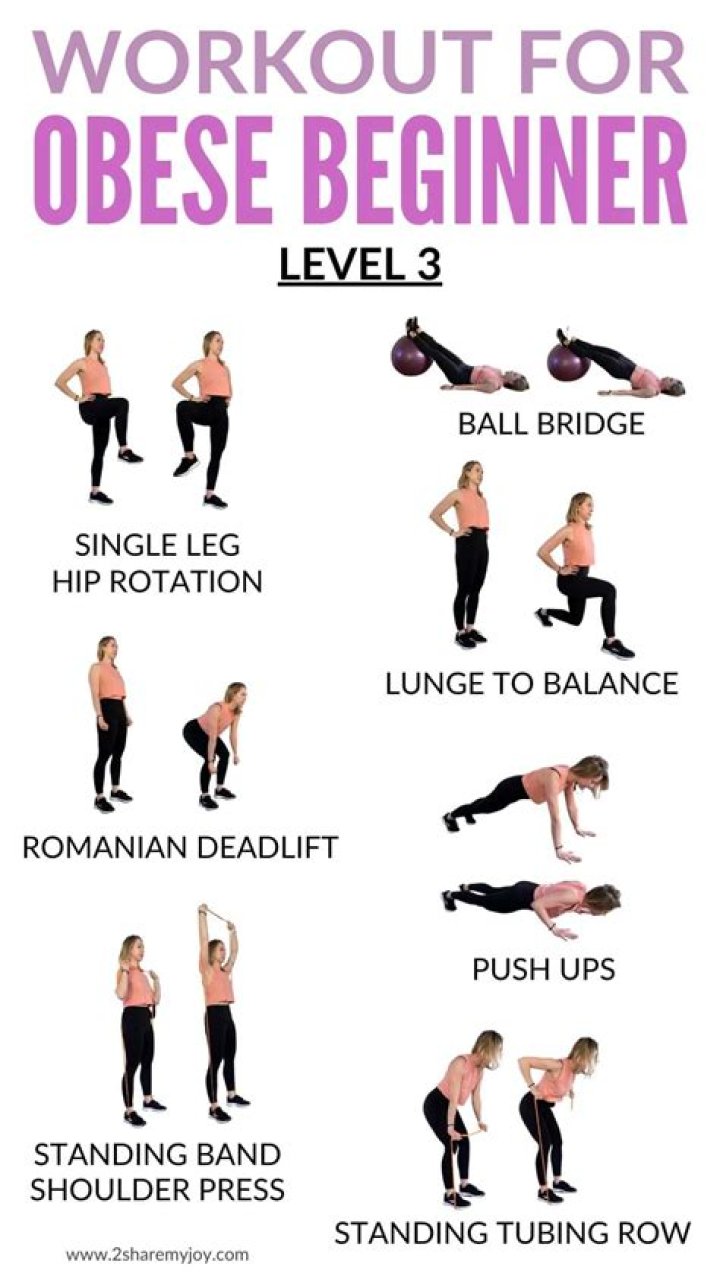
Ankle plantarflexion strength and endurance are required to control the shape and size of your turns, especially when skiing in steep off-piste and variable terrain. In skiing, the muscles of your calf are typically utilized while your knee is bent, so make sure you train them this way.
Can you ski with weak ankles?
When you are snow skiing, your ankles are in a rigid boot that will provide support. Strengthening of the core (back and abdomen) and your legs will be beneficial for skiing. Things to work on when you are in a safe environment are: Balance - work on standing on one foot at a time while not looking at your feet.
How can I improve my ankle mobility for skiing?
Increase Ankle Mobility
The drill: Start in a ski-tuck stance: knees flexed, hands in front as if they're holding poles, weight slightly forward. Roll both ankles to the right as far as you can, as if you were edging your skis. Hold for two seconds. Repeat to the left.
Do you use your ankles when skiing?
Roll the ankles!
The ankle muscles are fantastic - just jump up and down on your toes and you'll feel it. In fact, when inverting the foot, you don't even need that much effort, because you leverage the tall stiff boot cuff and the ski is not weighted (when you're doing it right).
Do ski boots move ankles?
The ski boot is much stronger than ankle muscles. But yes, you should be able to feel your ankle move when you place the rest of your body to put enough pressure on your boot to move/flex/pressure the ankle/boot combination.
19 related questions foundDoes skiing put pressure on ankles?
Skiing is a high speed sport involving quick turns at high speed down a sloped terrain, making huge demands of your feet and ankles. When you make those turns, your foot flattens, your ankle bones lower, and your leg rotates toward the opposing leg. That puts massive stress on everything below your waist.
Is skiing hard on your knees?
Skiing obviously puts pressure on your knees. The classic legs-bent position channels weight through your Gluteus Maximus, your hamstrings, your quadriceps – and inevitably also your knee joint.
What is dorsiflexion of the ankle?
Dorsiflexion occurs in your ankle when you draw your toes back toward your shins. You contract the shinbones and flex the ankle joint when you dorsiflex your foot. You can also dorsiflex your foot by lifting the ball of your foot off the ground while standing, keeping your heel planted into the ground.
How do you bend your knees when skiing?
The best posture for a typical downhill skier includes bending the knees slightly forward. This ensures the bodyweight is always transferred down through the legs into the centre of the skis. Changing stance to adapt to the changing demands of the run and skiing style involves numerous body movements.
Why do my ankles hurt skiing?
Peroneal tendon injuries
With downhill skiing, a common complaint is to have issues with the tendons on the outer side of the ankle, called the peroneal tendons. These tendons work very hard while 'edging' and this can lead to ankle pain and swelling, caused by wear and tear.
How can I ski without foot pain?
Ski Boot Fitting Feel Check List
- Good quality thin ski socks.
- Only the sock is in the boot.
- Toes touch the end at first.
- Toes are comfortable once flexed forward.
- Snug but not crushing your foot.
- Legs and shins are secure.
- You can only fit two fingers down the back of the boot.
- No heel movement when flexing forward.
Why do my feet hurt when I ski?
You may already experience foot pain when you walk around in regular shoes, or perhaps it's just when you're skiing. If it's the latter, keep in mind you're exerting a lot more pressure on your feet and ankles when you ski making some foot problems more likely to show up such as plantar fasciitis and ball of foot pain.
Can you hurt your ankle while skiing?
Ankle sprains, peroneal tendon dislocations, Achilles tendon ruptures, and ankle fractures all can happen as the result of skiing. However, the incidence of these injuries has been dramatically lowered in the past two decades. All of these injuries should be treated aggressively to allow the skier to return to skiing.
What is a Grade 3 ankle sprain?
Grade 3: This is a full tear of the ankle ligament. You may have heard a popping sound when it happened. This level of sprain causes severe pain, swelling and bruising. Because the ligament is no longer able to do its job, your ankle will feel unstable and will be unable to support any of your weight.
Can you snow ski with a sprained ankle?
Swelling or inflammation
Ankle strain recovery time is usually around two to three weeks. Sports like ice hockey and skiing require cutting motions and can increase the likelihood of sustaining an injury.
Can ankle dorsiflexion improve?
A systematic review by Radford has shown that static ankle dorsiflexion stretching can lead to a statistically significant improvement in motion. A more recent meta-analysis revealed a 5-degree increase in mobility after ankle dorsiflexion stretches.
How do you get ankle mobility?
Ankle flexion (dorsiflexion)
- Sit on the floor with your legs stretched out in front of you.
- Secure the band around a chair leg or a table leg, and then wrap it around one foot.
- Slowly point your toes up toward you and then return to the starting position.
- Do 3 sets of 10 flexes on each foot, three days a week.
Why do you need ankle dorsiflexion?
Now the reason why dorsiflexion is considered to be the most important of the degrees of freedom of the ankle is because it allows for the tibia (the shin) to move forward, relative to the position of the foot. This is crucial for correct body positioning and the efficient production and application of force.
How do you get your legs ready for skiing?
Perform a full set—squats, alternating lunges, jump lunges, and jump squats—then rest for 15 seconds. Repeat six times. Squats: Standing with your feet a little more than shoulder-width apart, lower into a seated position until your thighs are parallel to the ground.
Is skiing a good workout?
Skiing and snowboarding are great cardiovascular exercises that can help families burn some serious calories and lose weight. The ultimate number burned per hour is based on weight and proficiency, but according to Harvard Medical School, someone who is 185 pounds burns 266 calories in 30 minutes of downhill skiing.
Is skiing hard on meniscus?
MENISCAL TEAR
Meniscal tears do not prevent a skiier from skiing but due to the knee pain with twisting or squatting and swelling of the knee the skiiers performance will be compromised. Eventually a skiier tires of knee pain while skiing and visits a knee surgeon for arthroscopic surgery to fix the problem.
Do feet swell when skiing?
It's one of the most typical injuries of winter sports.. It occurs when a person lands on the exterior part of the foot and twists the foot inwards. In consequence, the tissue on the outside of the foot over-stretches and tears. The result of this injury is often swelling and pain.
How tight should ski boots be?
Ski boots should be snug, but not too tight that they are painful. With your foot in the liner in the shell, there should be enough room around the toes that you can wiggle them back and forth, and the toes should be slightly touching the front of the boot when the heel is all the way back.
Why are my ankles bruised after skiing?
There are many purported causes of boot bang. Some of the most commonly described are poorly fitting boots, usually too big, skiing in a “backseated posture”, boots that are too stiff, and aggressive skiing and jumping. If your boots that are too big, your foot and ankle can slide forward and backward.